Interior Selective Demolition In Charlotte NC
Interior selective demolition in Charlotte, NC, offers a systematic approach for house owners looking to refurbish. This process entails the careful removal of certain components, protecting architectural stability while reducing waste. By concentrating on sustainable techniques, selective demolition permits the recycling of beneficial products. Recognizing its procedures and advantages can significantly affect a renovation project. What are the crucial elements to examine when initiating this type of restoration?
What Is Interior Selective Demolition?
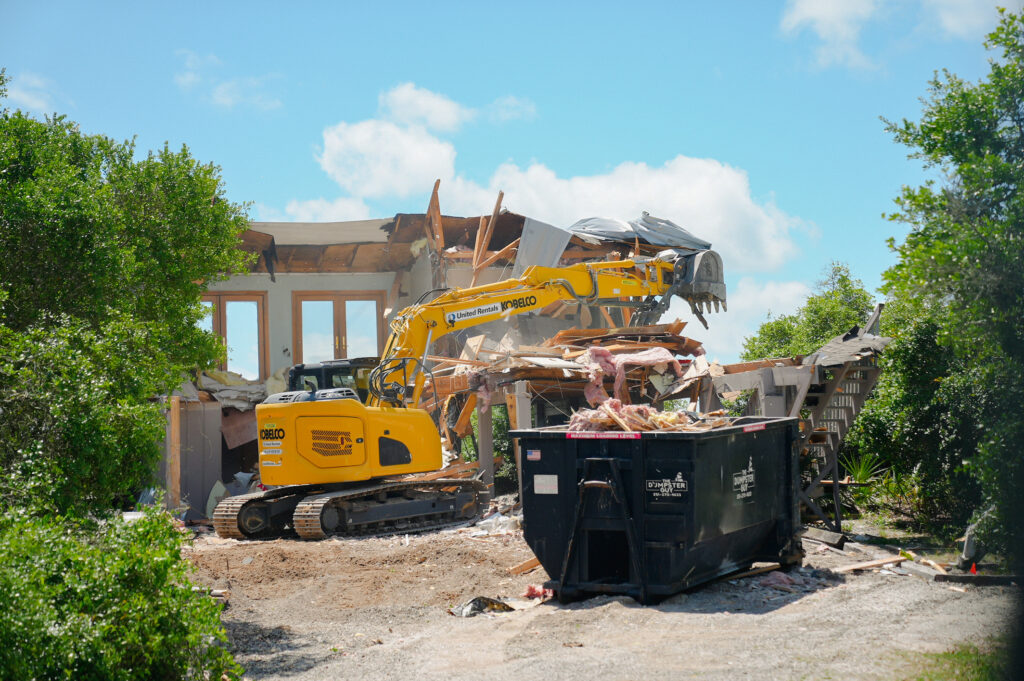
Typically, this process consists of the elimination of non-structural elements like wall surfaces, ceilings, floor covering, and components. Experienced professionals use specialized methods and devices to accomplish precise results, prioritizing safety and security and effectiveness. By going with selective demolition, professionals can deal with certain requirements without compromising the overall security or visual of the building. This technique is particularly advantageous in city settings, where room is restricted and preserving surrounding structures is vital. Inevitably, interior selective demolition functions as a tactical approach to modern building and restoration jobs.
Benefits of Selective Demolition for Home Owners
Home owners can enjoy various advantages from employing selective demolition in their improvement jobs. This approach permits for the targeted removal of certain aspects, such as walls, closets, or flooring, without jeopardizing the whole framework. By minimizing unnecessary destruction, property owners can preserve important materials and reduce waste, straightening with sustainable building techniques.
Selective demolition additionally enhances safety by reducing the danger of structural damage or unsafe material direct exposure during renovations. Furthermore, it can lead to set you back financial savings, as property owners might stay clear of the cost linked with full demolition and disposal.
Furthermore, this method permits greater layout adaptability, enabling property owners to reimagine and tailor their rooms according to personal choices. The capability to maintain existing attributes while making updates can create a distinct mix of brand-new and old, ultimately enhancing the home's worth. Overall, selective demolition uses a useful option for property owners seeking efficient and reliable renovations.
The Selective Demolition Process
The selective demolition process includes a meticulous method to deconstruction, concentrating on certain locations of a framework while preserving the integrity of the surrounding elements. This strategy is essential for jobs calling for cautious improvement or renovation without jeopardizing adjacent areas. At first, a detailed assessment of the website is carried out to determine which elements need removal and which must be maintained.
When the strategy is established, precaution are implemented to protect employees and the environment. Specialized devices and tools are made use of to guarantee precision in the demolition, reducing dust and particles. Skilled workers meticulously take apart targeted areas, such as wall surfaces, fixtures, or floor covering, making certain that architectural supports stay undamaged.
Throughout the procedure, constant tracking is important to attend to any unpredicted challenges. By highlighting careful preparation and implementation, selective demolition not only helps with restoration but additionally advertises sustainability through the responsible disposal and recycling of materials.
Typical Projects That Make Use Of Selective Demolition
Selective demolition is frequently utilized in numerous jobs, including domestic improvements, where homeowners look for to update their areas without a complete teardown. Industrial areas typically undergo reconfigurations to adapt to transforming organization demands, making selective demolition a sensible option. In addition, historical structure reconstructions gain from this technique, permitting the conservation of vital architectural features while upgrading insides.
Residential Renovation Projects
When beginning on property restoration jobs, many homeowner discover that selective demolition plays an important role in accomplishing their design goals (legendary demolition charlotte). This procedure allows homeowners to properly get rid of particular elements of a structure without endangering its total stability. Typical applications consist of eliminating out-of-date fixtures, walls, or floor covering to create an open flooring plan or improve interiors. Selective demolition makes it possible for the installation of new electric systems, pipes, and kitchen cabinetry while lessening waste and preserving recyclable materials. In addition, this method is frequently employed in bathroom and kitchen remodels, where targeted elimination can noticeably enhance performance and appearances. By making use of selective demolition, homeowner can transform their areas while adhering to environmental factors to consider and monetary restrictions
Business Room Reconfigurations
As companies develop to satisfy transforming market demands, business room reconfigurations typically necessitate selective demolition to adapt existing designs. This procedure allows firms to maximize their operational efficiency by getting rid of non-structural aspects such as dividers, ceilings, and flooring, creating more functional rooms. Typical projects more helpful hints include changing open office atmospheres, transforming retail rooms into multi-functional areas, or reconfiguring restaurants to enhance consumer circulation. Selective demolition guarantees very little disruption to the surrounding framework, enabling organizations to proceed procedures during restorations. By tactically getting rid of out-of-date functions, business can better utilize their rooms, enhance worker collaboration, and enhance client experiences. Inevitably, selective demolition plays a necessary duty in offering modern, adaptable commercial settings that straighten with present organization approaches.
Historical Structure Reconstructions
Historic structure reconstructions typically require cautious planning and execution, particularly when incorporating contemporary performances while maintaining building honesty. Selective demolition works as a vital technique in these jobs, permitting for the removal of non-structural components, such as obsolete fixtures, walls, and partitions, without jeopardizing the structure's historic functions. This technique reduces waste and reduces the danger of harmful initial materials. Common jobs consist of the repair of old movie theaters, stockrooms, and courts, where preserving frontage details and special workmanship is necessary. By using selective demolition, professionals can develop functional rooms that honor the past while meeting contemporary requirements, guaranteeing that these historic frameworks continue to be pertinent and functional for future generations.
Environmental Considerations in Selective Demolition
Selective demolition plays a necessary function in minimizing environmental influences throughout remodelling and building and construction jobs. This approach allows for the mindful removal of certain building aspects, such as wall surfaces, components, and floor covering, while maintaining the total framework and lowering waste. By focusing on deconstructing instead of conventional demolition, materials can be recovered and repurposed, considerably lowering garbage dump payments.
Additionally, selective demolition advertises reusing and using sustainable materials, straightening with eco-friendly practices - legendary demolition charlotte. Unsafe materials, such as asbestos or lead paint, can Continued be recognized and safely gotten rid of, guaranteeing conformity with environmental laws. This technique not just minimizes potential wellness threats yet also contributes to the preservation of regional environments
Selecting the Right Contractor for Your Task
Choosing the ideal contractor for indoor selective demolition requires cautious analysis of credentials and licenses to assure compliance with industry criteria. Furthermore, reviewing previous task experience can supply insights into the professional's capabilities and reliability. This process is essential for achieving successful task end results.
Confirm Licenses and qualifications
When beginning on an interior demolition job, validating that the picked contractor has the needed qualifications and licenses is essential. Appropriate licensing indicates that the contractor abides by regional guidelines, safety requirements, and industry ideal methods. This not just promotes depend on but also safeguards homeowner from potential responsibility concerns. It is vital to validate that the contractor holds all called for qualifications and permits particular to Charlotte, NC, as policies can vary by place. Furthermore, looking for insurance coverage, including liability and employees' compensation, is important. This insurance coverage safeguards against any mishaps or problems that may take place during the demolition process. By focusing on credential verification, clients can assure a smoother and more safe job execution.
Analyze Previous Task Experience
Experience acts as a vital indication of a service provider's ability in indoor selective demolition projects. Evaluating a service provider's previous project experience provides insight into their competence and integrity. It is crucial to examine the web link array and range of past jobs, as diverse experiences frequently mirror problem-solving skills in various environments. Prospective clients need to ask for study or recommendations that show effective conclusions, conformity with safety policies, and client complete satisfaction. In addition, seeing or examining pictures completed sites can supply a tangible feeling of craftsmanship quality. This extensive assessment guarantees that the selected specialist possesses the necessary skills and understanding to manage the certain demands of a careful demolition project, ultimately leading to a more sufficient and reliable end result.
Price Factors to Take Into Consideration in Selective Demolition
Recognizing the expense elements connected with selective demolition is vital for residential or commercial property owners and service providers alike, as these expenditures can differ substantially based on a number of variables. Key factors to consider consist of the range of the task, the complexity of the demolition, and the products included. As an example, removing dangerous products such as asbestos or lead paint usually sustains greater prices as a result of specialized handling and disposal demands. Labor prices likewise play a significant function; experienced labor might be required for intricate jobs, driving up costs.
The location and accessibility of the site can influence costs. Urban setups might offer logistical difficulties, needing added devices and time. Disposal fees for debris and waste are an additional element, especially if the products are not recyclable. Finally, job timelines can influence prices, as expedited solutions may cause boosted labor costs. Recognition of these variables allows even more precise budgeting for selective demolition tasks.
Regularly Asked Concerns
How Much Time Does Interior Selective Demolition Usually Take?
Normally, indoor selective demolition takes one to 3 weeks, depending on the task's size and complexity. Aspects such as the level of products removed and site problems can affect the total period substantially.
Is a License Required for Selective Demolition Jobs?
A license is often needed for selective demolition jobs, depending upon regional regulations. It guarantees compliance with safety requirements and zoning laws, securing both workers and the surrounding neighborhood throughout the demolition procedure.
What Safety And Security Procedures Are Taken Throughout Demolition?
Throughout demolition, rigorous precaution include website evaluations, safety gear for workers, dust control approaches, correct handling of unsafe materials, structural analyses, and adherence to local policies to guarantee a safe workplace throughout the project.
Can I Reside In My Home Throughout the Demolition?

What Takes place to the Particles After Demolition Is Completed?
After demolition is finished, particles is normally sorted and classified for reusing or disposal. Salvageable materials might be repurposed, while non-recyclable waste is moved to garbage dumps, making certain appropriate environmental and safety regulations are complied with.
Home owners can gain many benefits from utilizing selective demolition in their remodelling jobs. Selective demolition is often utilized in numerous jobs, including domestic remodellings, where property owners seek to modernize their areas without a full teardown. When beginning on household restoration jobs, several home owners locate that selective demolition plays a necessary duty in achieving their layout objectives. Selective demolition plays an important function in decreasing ecological effects during restoration and building tasks. Experience offers as an essential indication of a specialist's capacity in interior selective demolition tasks.